When Music Becomes Noise
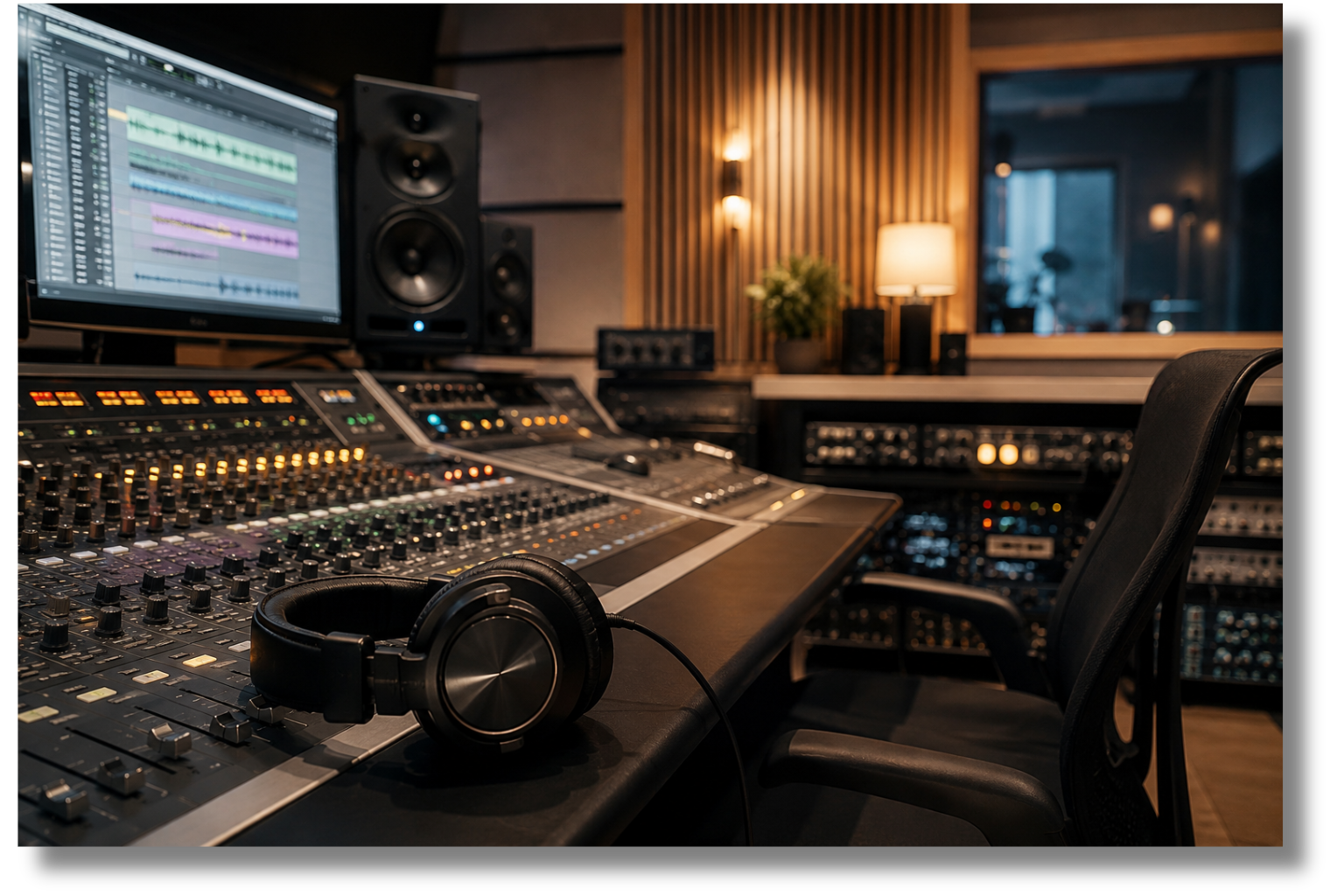
True atmosphere does not demand attention.
It supports it
The Difference Between Filling a Room, and Shaping It
There is a particular kind of silence that happens in beautifully designed spaces - the kind layered with marble floors, warm lighting, textured fabrics, and intentional architecture. It’s not the absence of sound. It’s the presence of balance.
And then, slowly, something shifts.
A playlist repeats. A vocal cuts through a quiet conversation. The tempo feels slightly rushed for a mid-morning lobby. A chorus arrives where a soft instrumental should have lingered. No one announces it, but the atmosphere tightens. Staff adjust the volume. Someone reaches for the skip button. The music - once meant to enhance the environment, begins to compete with it.
This is the moment when music becomes noise.
In modern commercial spaces - hotels, restaurants, lounges, medical offices - sound is often treated as a utility rather than a design element. Streaming platforms offer convenience, but not intention. Playlists are assembled for mass listening, not for the specific rhythm of a space at 9:00 a.m., 2:00 p.m., or 8:30 p.m. They fill silence, but they rarely shape experience.
Yet music has architectural power. It can lengthen a guest’s stay without them noticing. It can soften transitions. It can elevate a room from functional to memorable. When designed with structure - tempo, mood, energy curves, and time-of-day flow - it becomes invisible in the most sophisticated way possible.
True atmosphere does not demand attention - It supports it.
The difference between noise and design is intention.
And in spaces where every material, scent, and lighting choice is curated, sound deserves the same level of thought.
Perhaps the solution is not louder music or better playlists, but more thoughtful design. A slower build in the morning. A warmer tone at dusk. An energy curve that understands how a space breathes throughout the day.
Melody Rhythms was shaped around that philosophy - the belief that background music should feel natural to its environment, almost unnoticed, yet deeply felt. Through curated zones and structured collections, sound is allowed to settle into the room rather than sit on top of it.
When music is given intention, it softens the edges of a space. It carries conversation without interrupting it. It lingers without asking to be heard.
And in that quiet alignment, atmosphere returns.